Access to high-quality data is one of the biggest challenges in developing large language models. In his strategic note, Thomas Spitz, co-founder of AI Partners, explores the challenges and opportunities behind building a structured training data market.
Creating a training data marketplace: Transparency and intellectual property in AI
Major AI providers like OpenAI train their models on billions of web pages collected without the consent of content creators. As ethical and legal concerns grow, a dedicated marketplace for training data is emerging as the solution to guarantee transparency, fair compensation, and respect for intellectual property.
How data providers feed LLMs
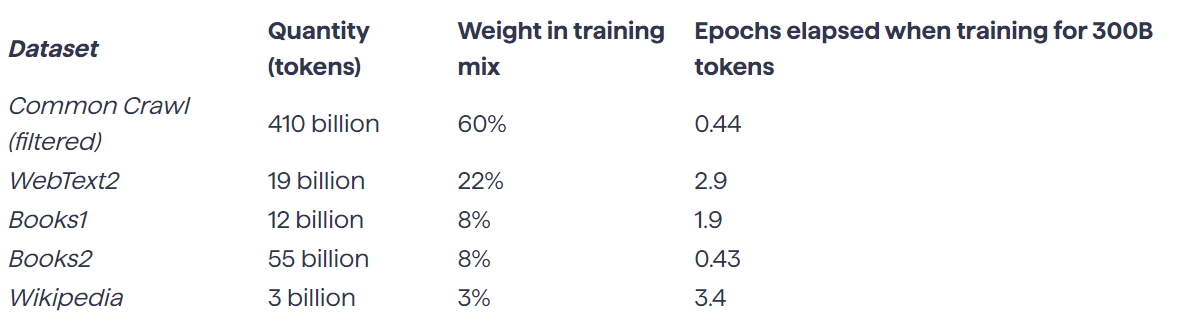
AI providers rely on massive data corpora. Two sources dominate:
Common Crawl: nearly 25 billion web pages archived since 2007
The Pile: 22 combined datasets totaling approximately 885 gigabytes
These vast reservoirs are often compiled without the explicit consent of original authors, raising serious ethical and legal challenges.
Ethical and legal implications of data use
Content producers, including news outlets, blogs, publishers, and the audiovisual industry, see their work used without any compensation.
What was once less controversial when handled by non-profit organizations like Common Crawl becomes a major concern when the same data fuels commercial products built by giants like Google, Microsoft, and OpenAI.
The frustration of content creators is understandable. OpenAI, valued at several billion dollars, derives much of its value from training data while never compensating the people who created it.
Challenges and opportunities for content creators
A growing resistance is taking shape among data rights holders:
According to Originality.AI, approximately 20% of the 1,000 most-visited websites are actively blocking AI crawlers
In a study by Homepage.com, 54.3% of website publishers have asked OpenAI, Google AI, or Common Crawl to stop crawling their content
At the same time, landmark commercial deals confirm that a different model is possible. Reddit reportedly sold its data to OpenAI for over 60 million euros, and the partnership between Le Monde and OpenAI proves that explicit data monetization is achievable.
Toward a more sustainable collaboration
These examples signal a paradigm shift: a growing recognition of the intrinsic value of data, and a move toward structured collaboration between content creators and AI developers.
Explicit monetization is no longer the exception. It is becoming the expected norm.
How do we ensure transparency and intellectual property in training data?
The need for a Training Data Marketplace is clear. Such a platform would provide a transparent and accountable framework for data management, guaranteeing:
Fair compensation for content creators
Compliance with ethical and legal standards
Richer, more diverse AI models trained on current and varied data
This platform would serve as a fair intermediary between content creators and AI companies.
How the Marketplace works
Direct and equitable matching
The platform acts as a direct channel between data providers and users. Providers set their own terms for making data available, while users gain simplified access to a wide range of qualified datasets.
A dedicated API will be developed to facilitate ethical and transparent data collection from publishers, creators, media outlets, and other rights holders, with guaranteed consent and compensation.
Data processing and preparation
Once collected, data is processed and structured for seamless integration into AI models. This includes:
Quality verification
Cleaning
Classification
Segmentation
Simple and accessible interface
AI companies and researchers access high-quality data through an intuitive interface, enabling continuous innovation and model improvement.
Benefits for stakeholders
For data providers (Publishers, creators, media)
Content monetization: archives, current productions, and future content become recurring revenue streams
Control over data use: providers choose what is made available and protect their intellectual property
Increased exposure and reputation: presence on a leading platform strengthens visibility and influence in the sector
For data users (AI Developers, businesses, researchers)
Access to high-quality data: a rich, diverse pool for reliable and adaptive AI models
Current and relevant data: continuous access to recent content keeps models up to date
Reduced collection costs: centralization eliminates the need to negotiate with multiple providers
FAQ
Why do training data practices raise ethical concerns?
Billions of web pages are collected and used for commercial purposes without the consent or compensation of the original creators. This practice, once tolerated for non-commercial use, is now being legally challenged by media outlets, publishers, and platforms like the New York Times.
How many websites are already blocking AI crawlers?
According to Originality.AI, approximately 20% of the 1,000 most-visited websites are actively blocking AI data collection tools. Additionally, 54.3% of publishers have asked OpenAI or Google AI to stop crawling their content.
What is a Training Data Marketplace?
It is a platform that directly connects content creators with AI companies, enabling transparent and compensated transactions for data used to train artificial intelligence models.
Who can sell their data on this platform?
Any rights holder: independent publishers, creators, media organizations, book publishers, or any organization wishing to monetize its archives in an ethical and controlled way.
Conclusion
Building a global training data marketplace is an essential step toward a balanced and fair development of AI, one that respects individual rights and supports responsible innovation. The precedents set by Reddit and Le Monde show this path is viable.
AI Partners helps organizations understand and anticipate the challenges of data rights, intellectual property, and AI governance.
.png)